
Why Curved Interiors Are Replacing Sharp Lines in Luxury Design

This image captures a refined and serene living area, impeccably furnished with key pieces from the Marie Burgos Collection to create a sophisticated organic modern aesthetic. The light-filled space features the inviting curves of the Naked sectional sofa and a matching pair of Adeline Armchairs with their elegant metal bases. At the center, the substantial and sculptural Elephant coffee tableserves as a grounded anchor. Adding a final touch of warm, illuminating artistry is the textured Bride floor lamp, its shade reminiscent of crumpled paper and braided fibers. A large graphic tapestry and various complementary side tables complete the look, resulting in a harmonious and luxurious retreat.
A designer's perspective on softness, sensation, and why the sharpest rooms are losing their edge.
For years, "luxury" in interior design meant precision. Straight lines, hard surfaces, rooms that photographed beautifully and said nothing when you walked into them.
That's changing — and not as a passing trend. As a designer working across NYC and LA, I've watched clients move away from rooms built to impress and toward rooms built to hold them. The shift shows up first in the furniture: curves replacing corners, velvet replacing lacquer, softness replacing polish.
There's a reason this isn't just an aesthetic preference. It's rooted in something older than any design trend.

Sharp angles are making way for soft, organic flow in high-end interiors. In this classic Parisian-inspired setting, fluid silhouettes replace rigid geometry to create a sense of harmony and ease.
The serpentine curves of the Naked Sofa in lush green velvet contrast effortlessly with traditional architectural molding, while a pair of B-15Z Lounge Chairs offer sculptural balance. Anchoring the layout, the striped wood grain of the Nusa Coffee Table adds grounded warmth, illuminated by the striking metallic interior of the Queen Floor Lamp. Together, these pieces prove that curved design doesn't just soften a space—it redefines modern luxury.
Curves Aren't Decorative — They're Directional
In Feng Shui, sharp corners are called "poison arrows." They're believed to send cutting energy — sha chi — into a room, creating subtle tension even when you can't name why a space feels unsettled. Rounded furniture softens that energy flow. It's a principle I bring into nearly every project, whether or not a client has ever heard the term.
You don't need to subscribe to Feng Shui as a philosophy to feel the difference. Sit in a room with a curved sofa and rounded ottoman versus one with hard rectangular edges throughout, and the first one reads calmer almost immediately. The body notices proportion before the mind does.
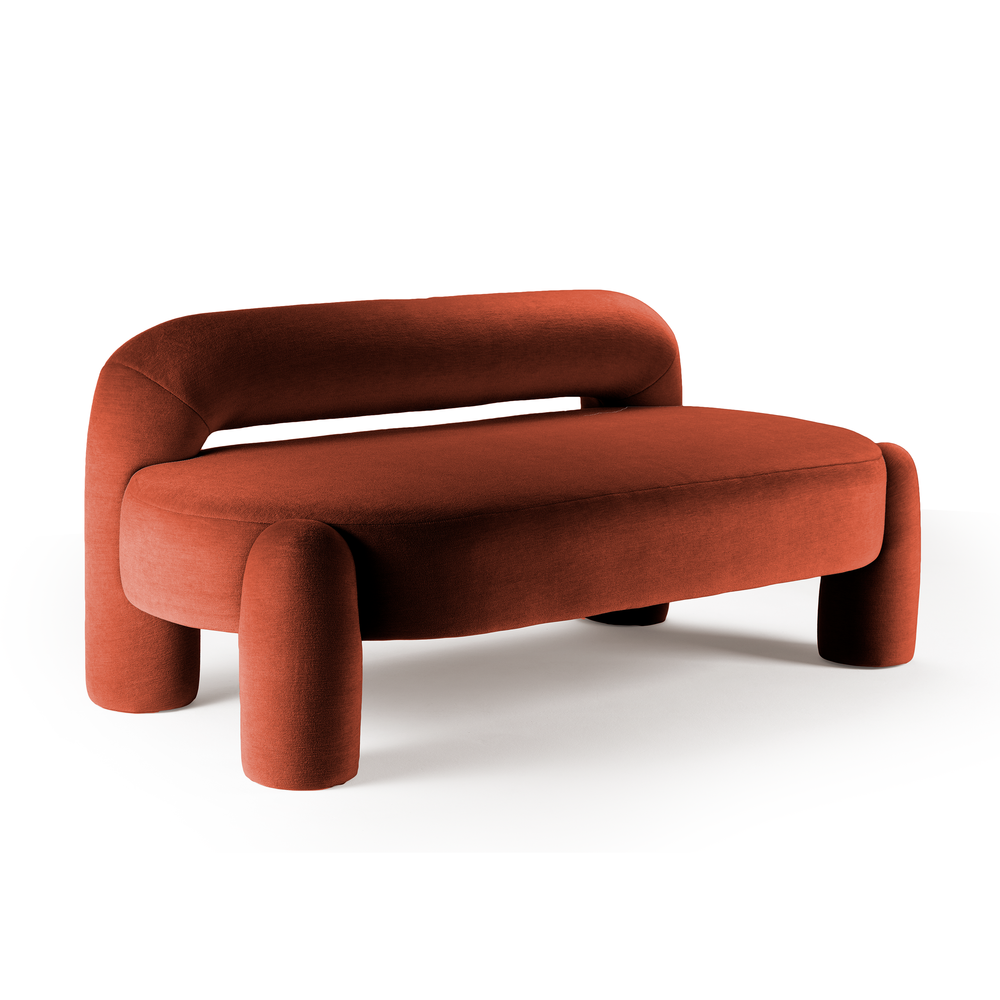
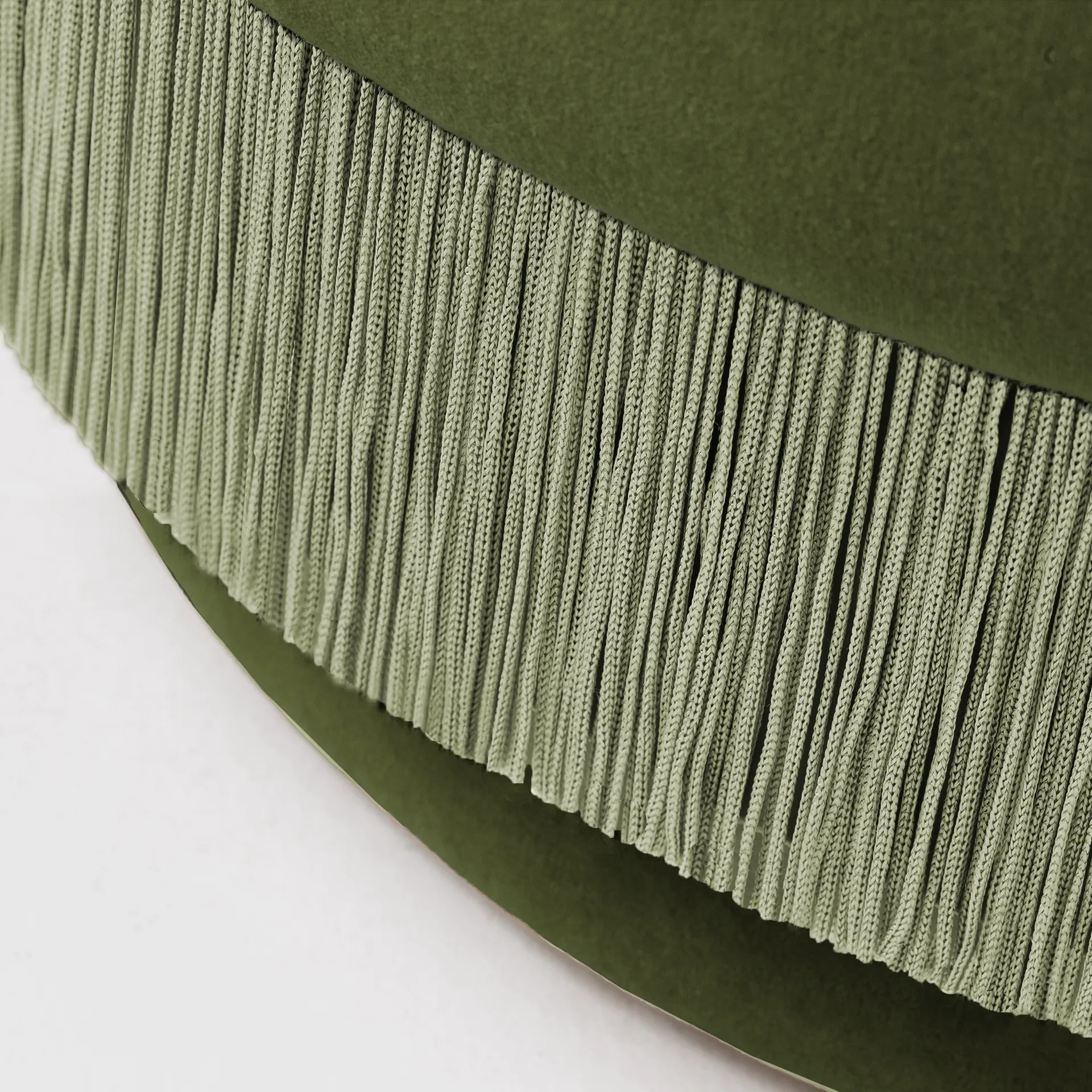
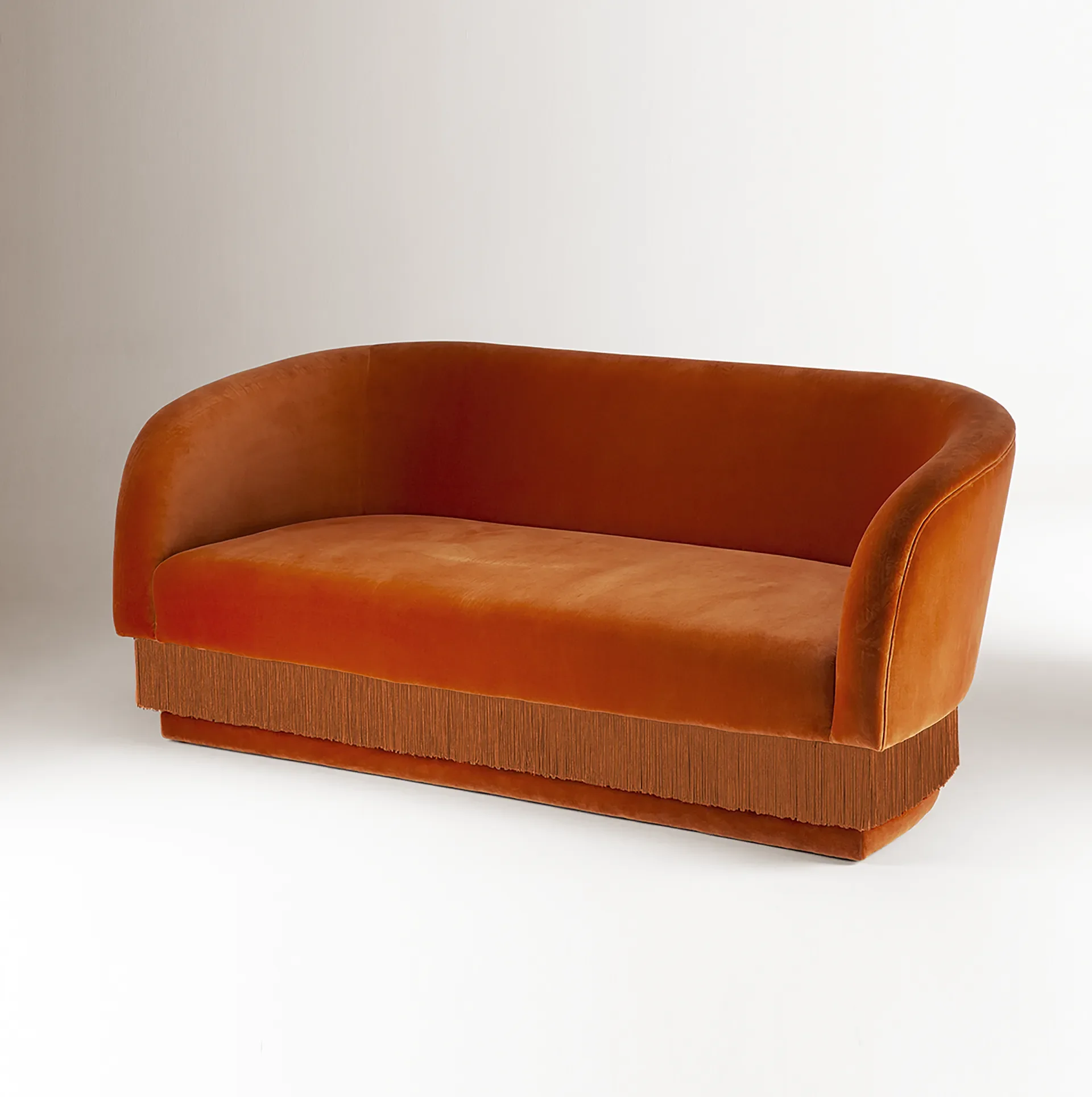
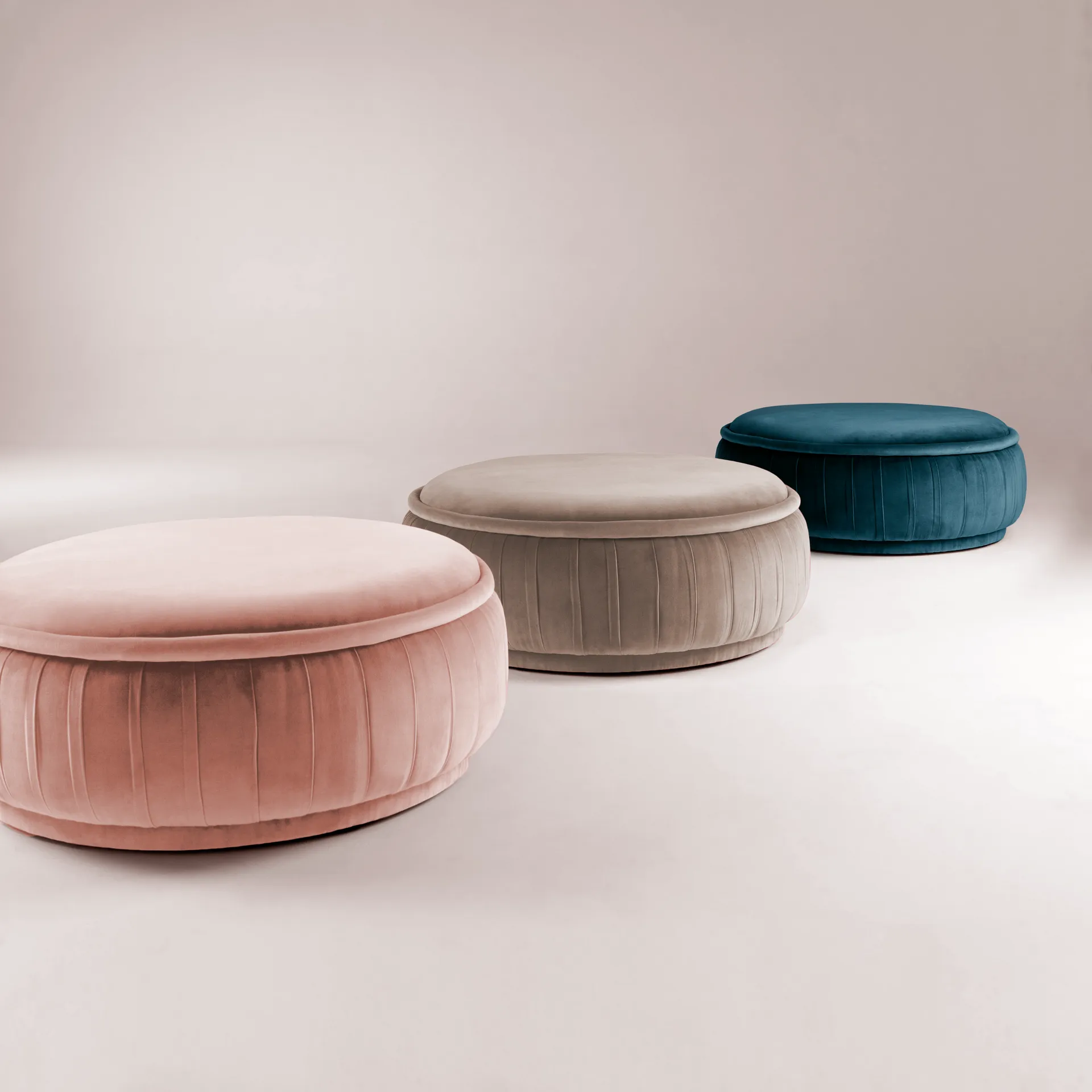
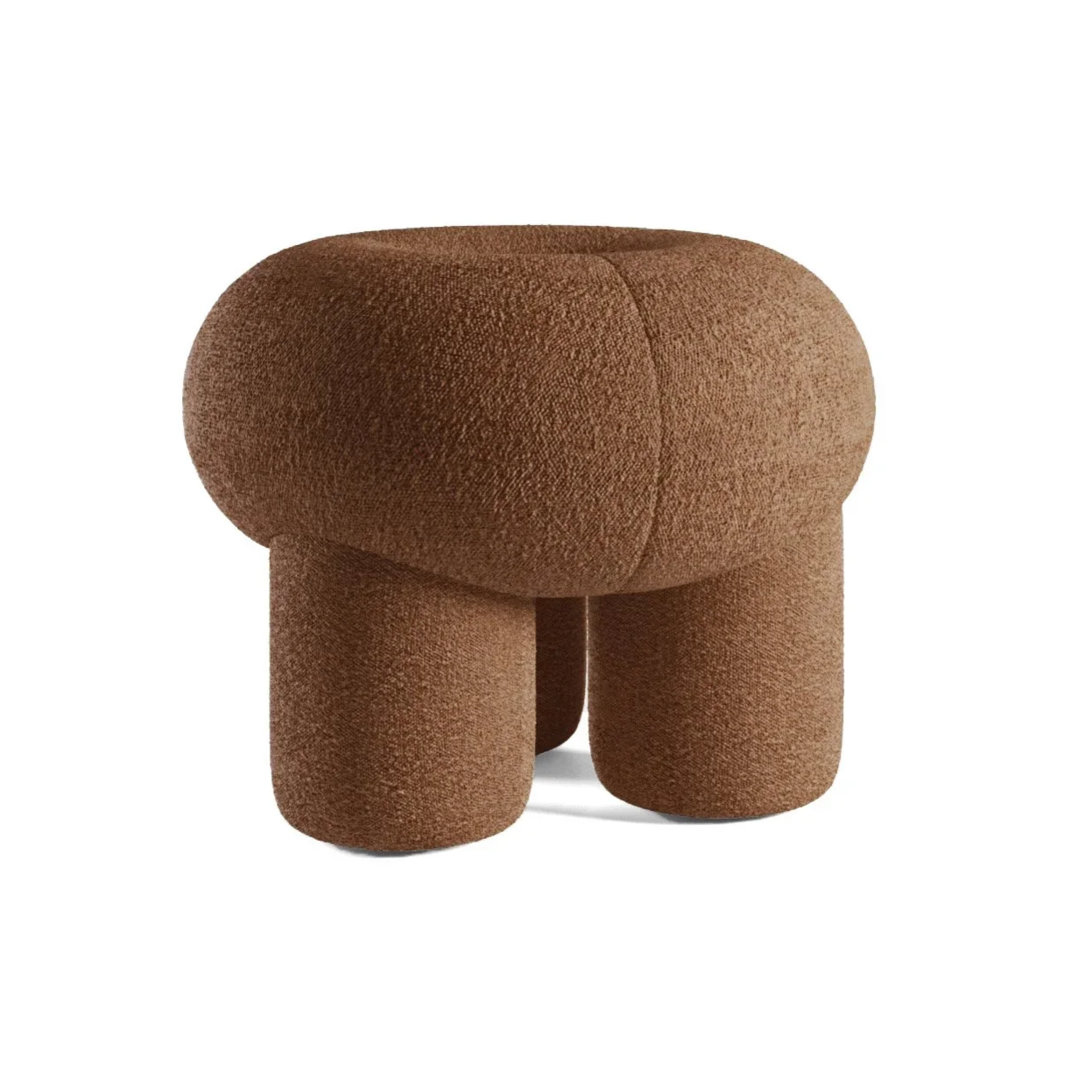
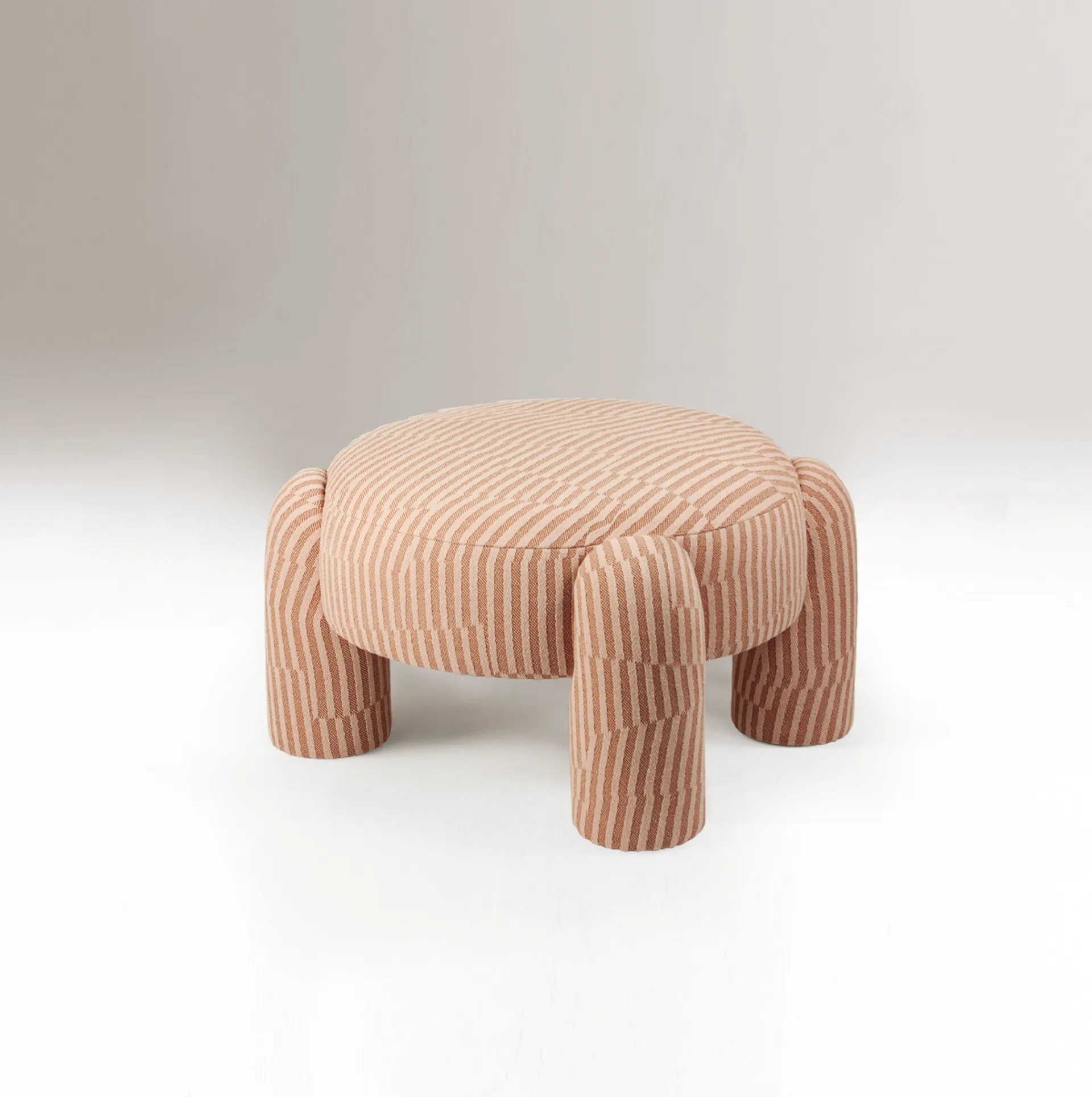
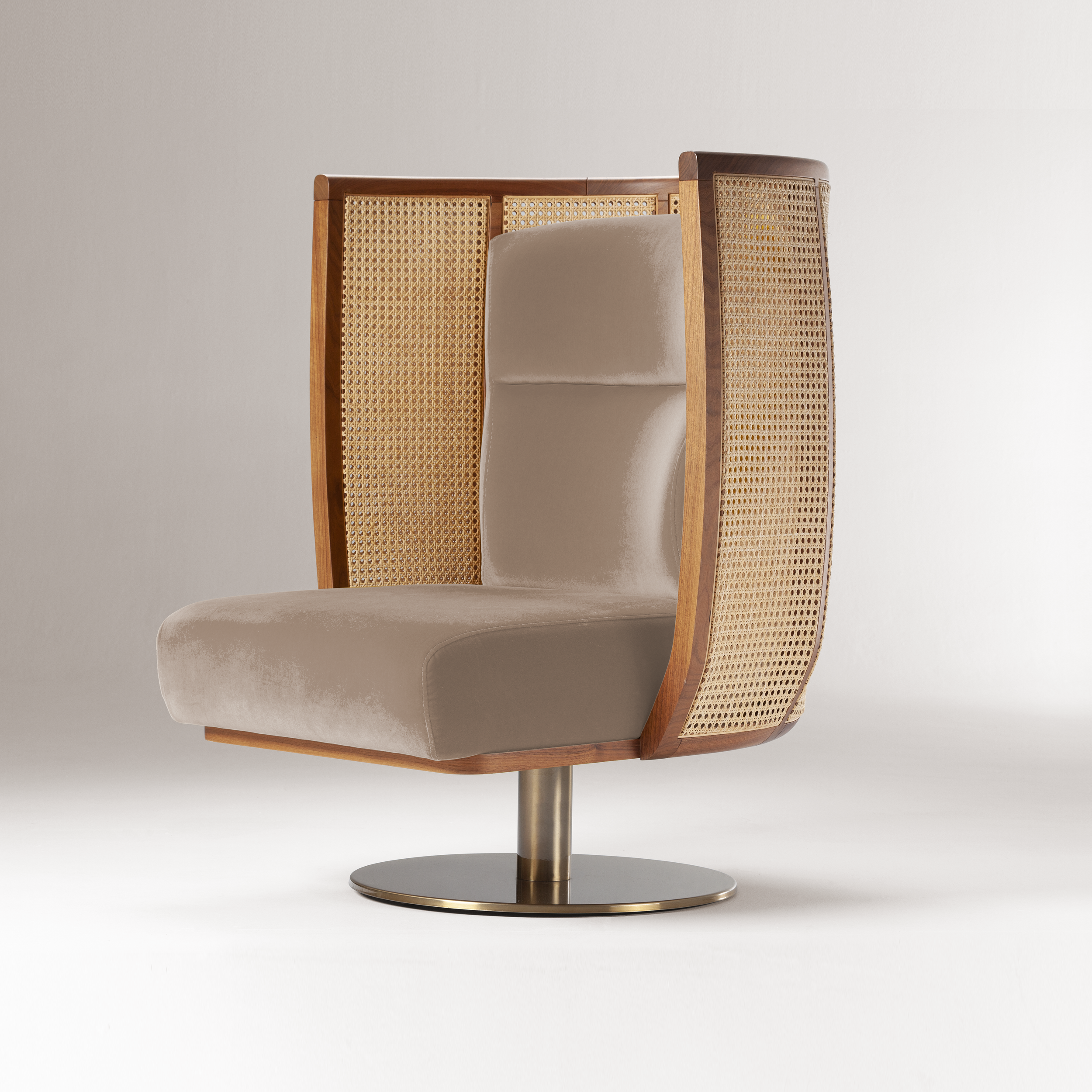
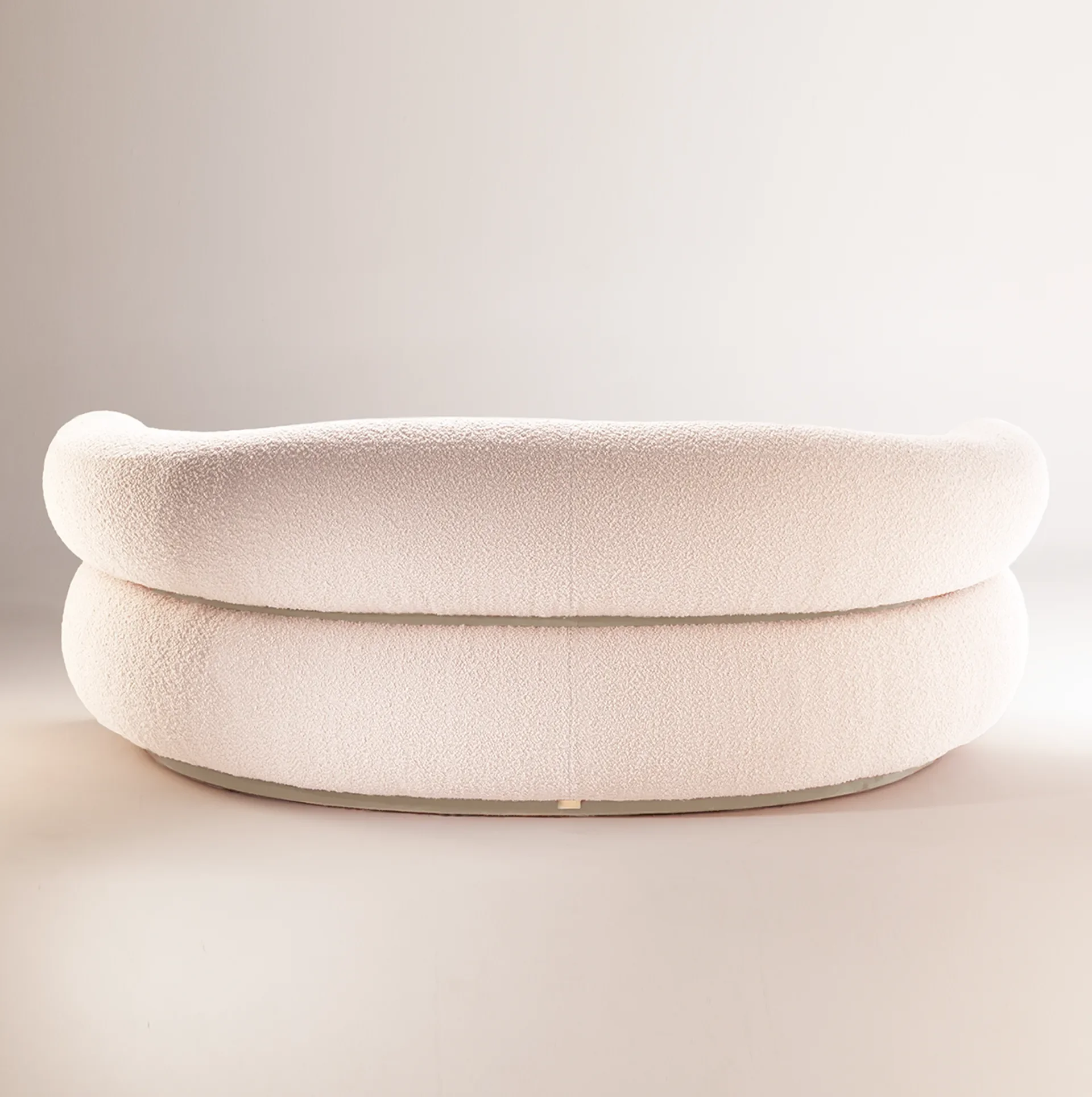
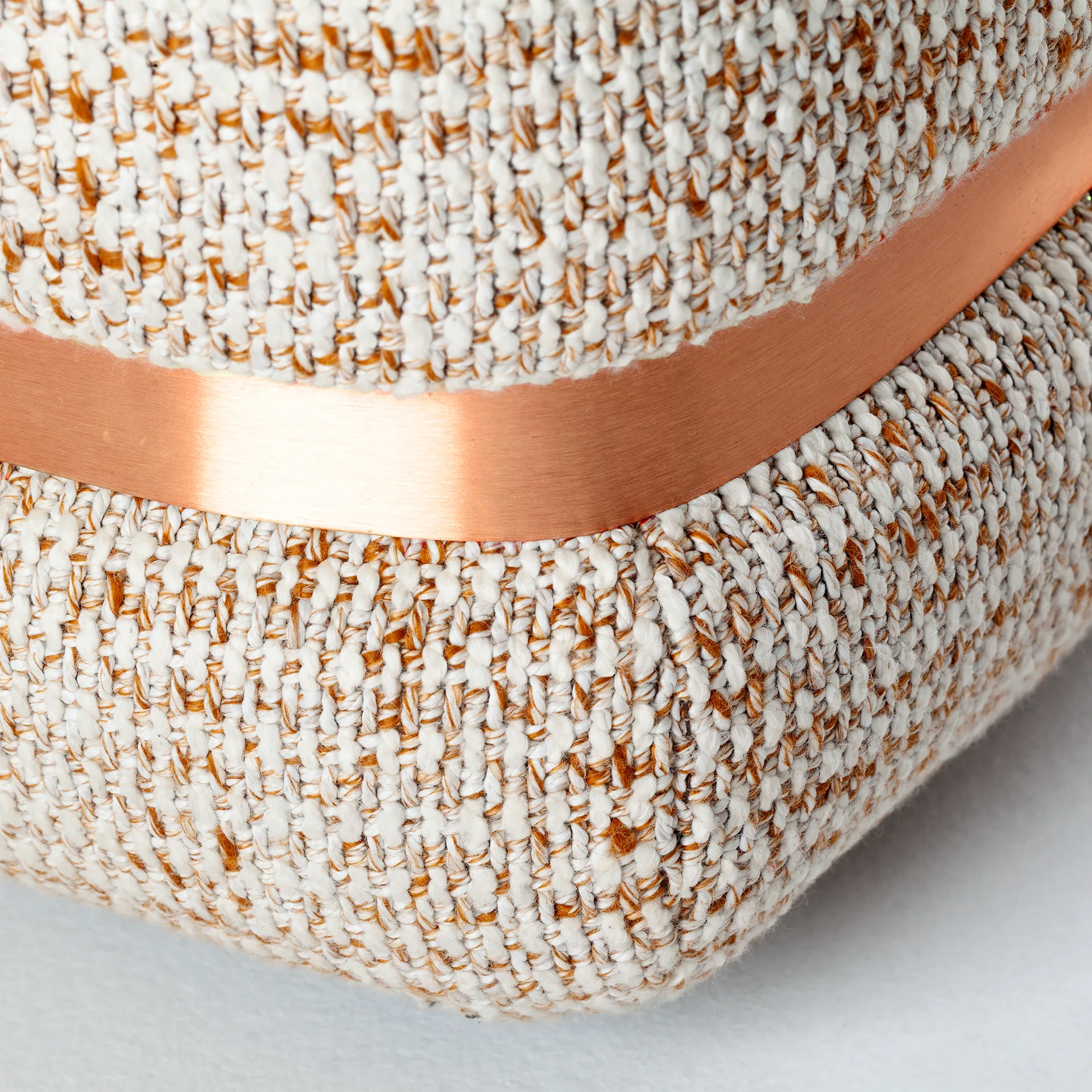
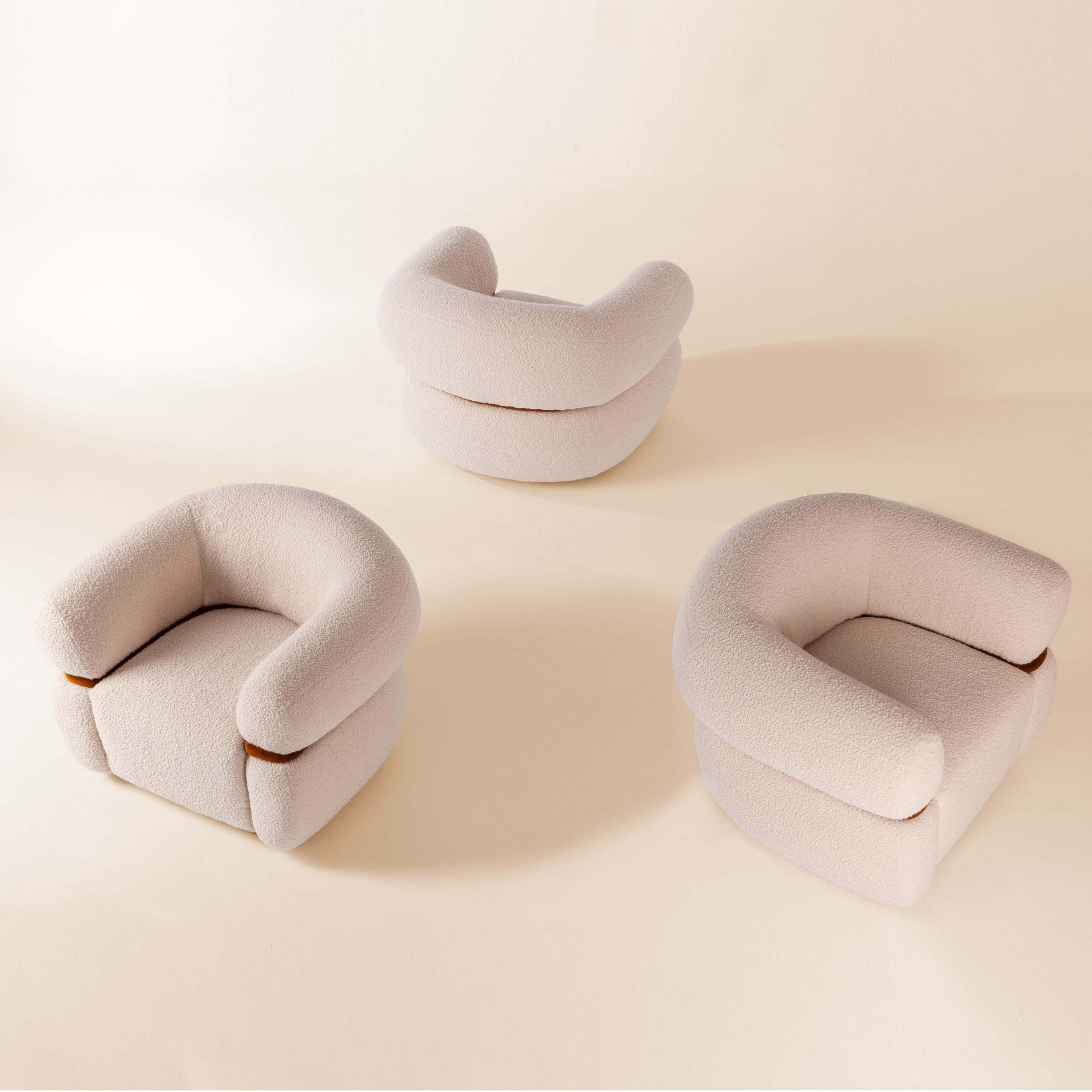
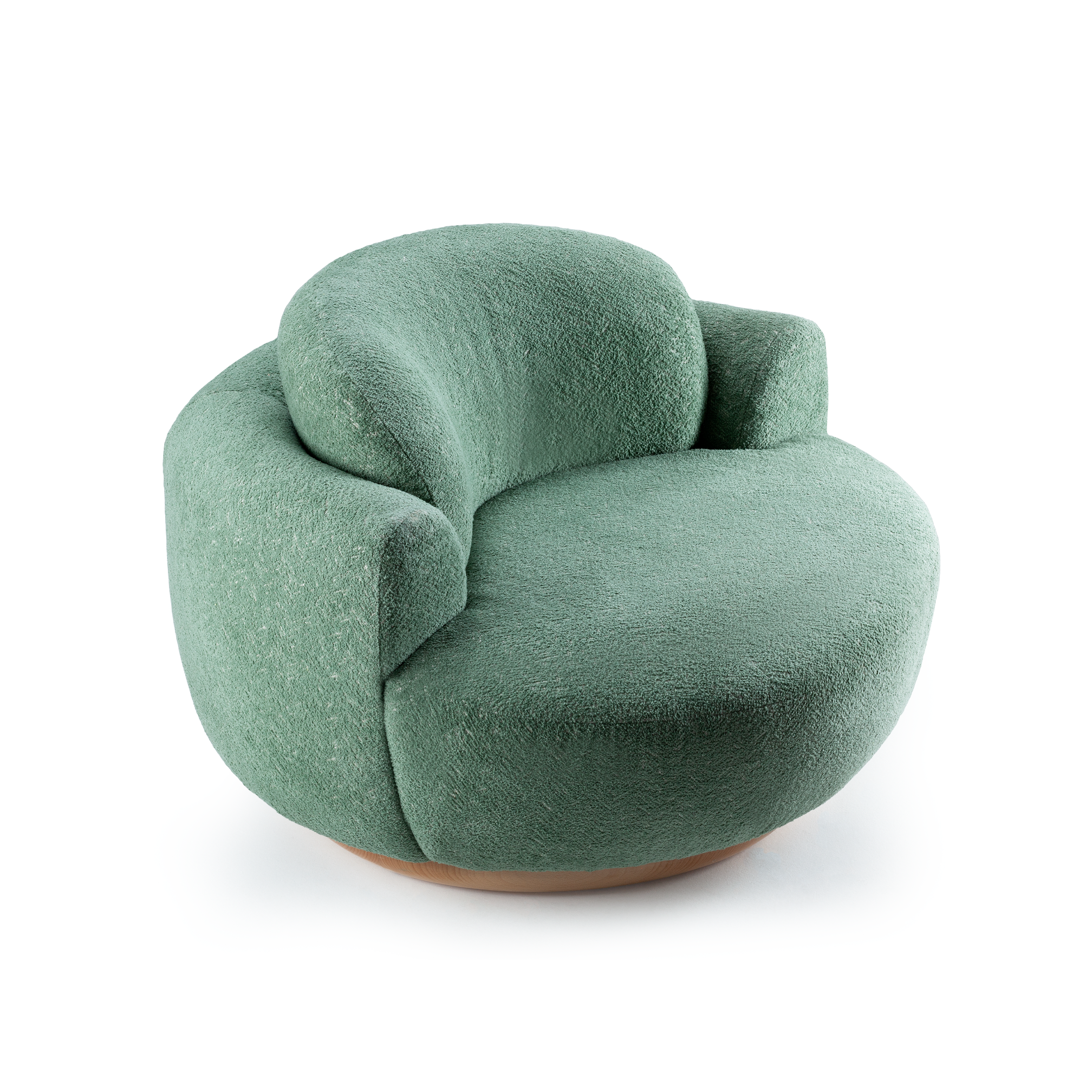
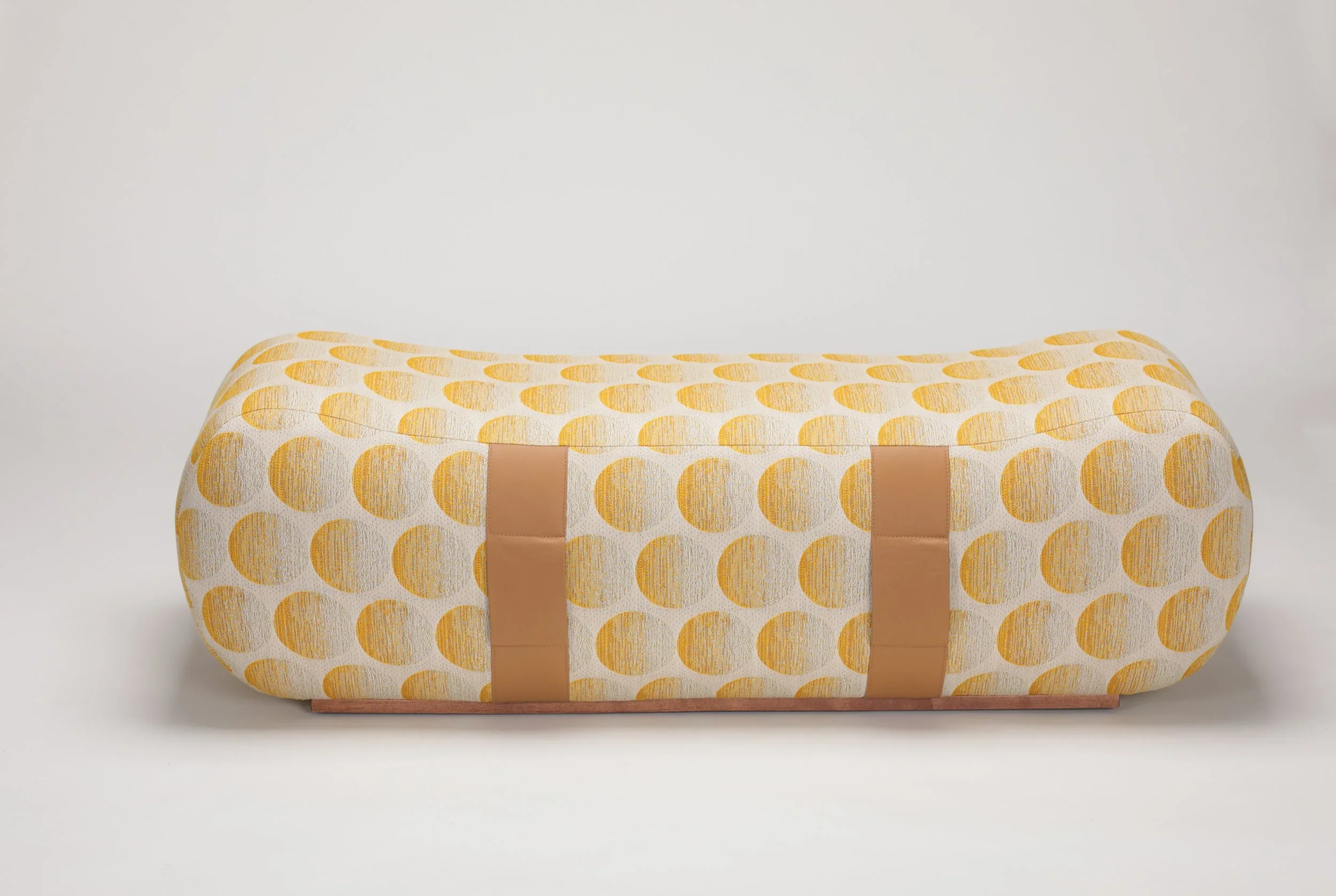
Tactile Luxury in Every Detail
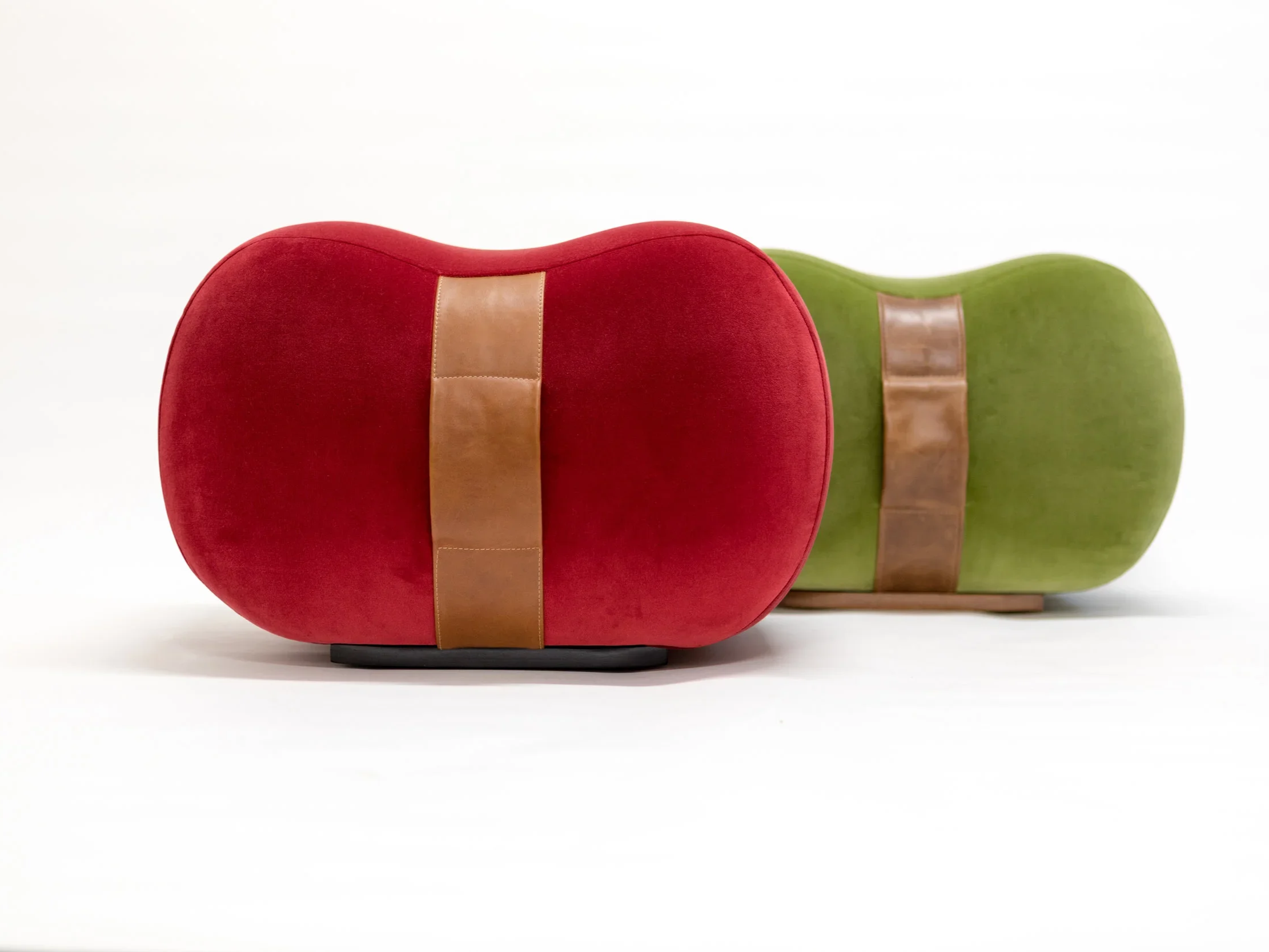
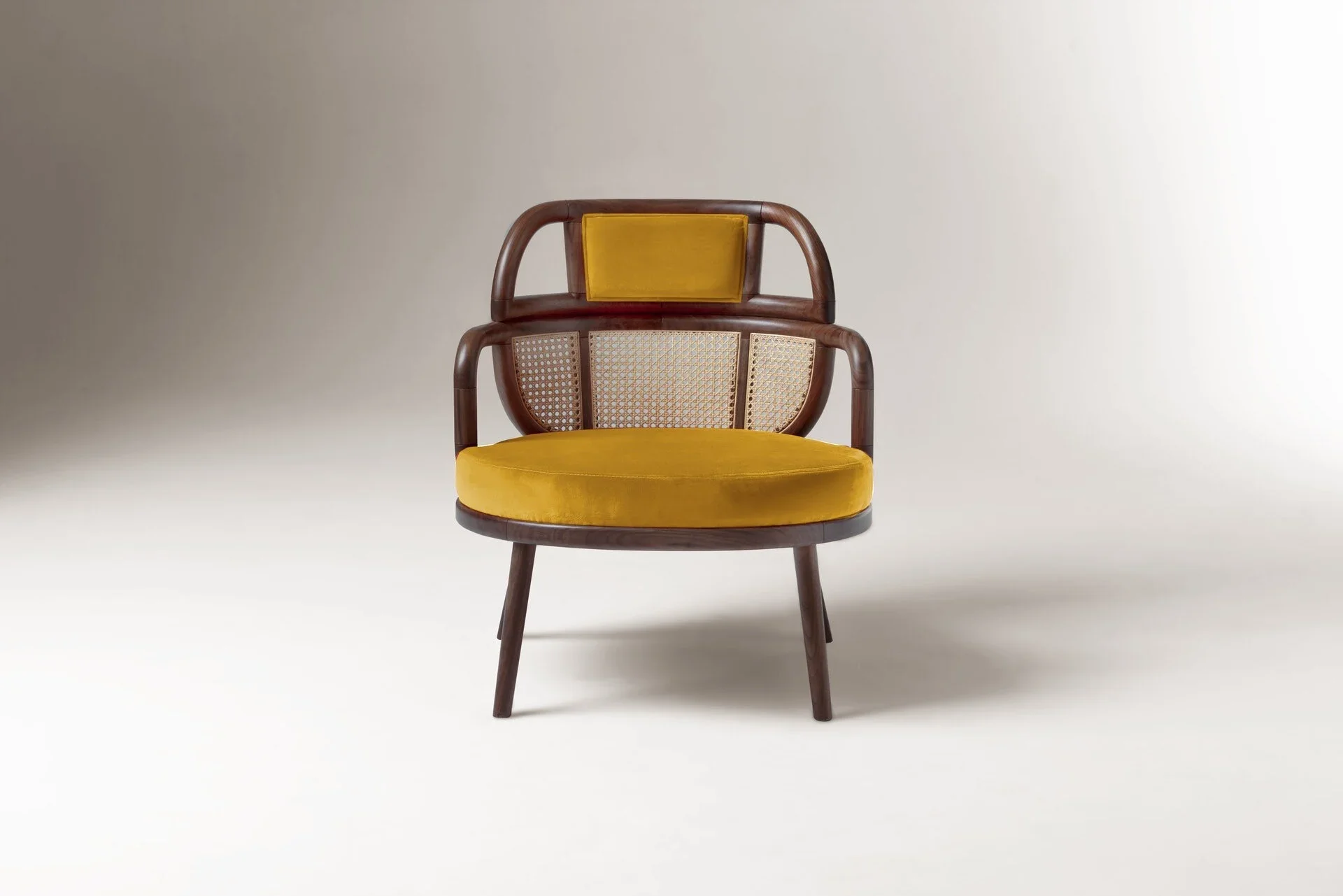
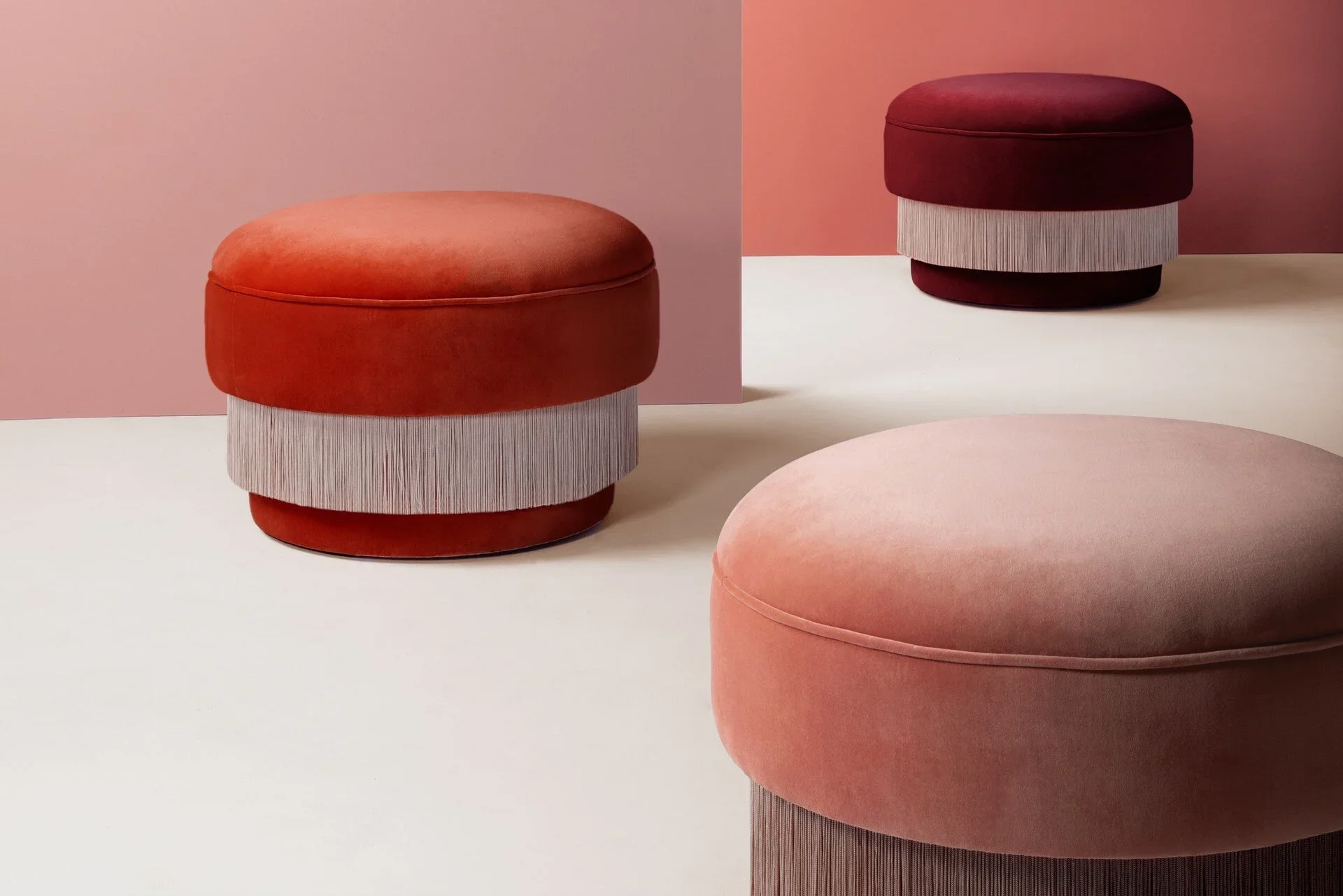
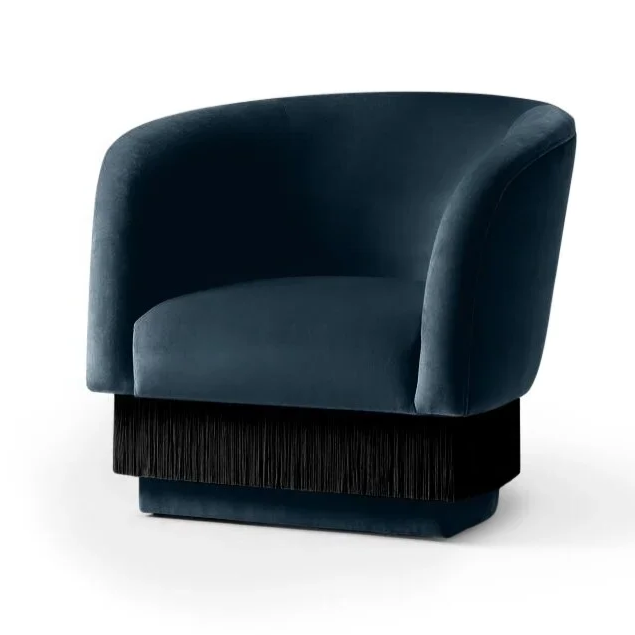
A closer look at how materials elevate form. From rich velvets and soft bouclés to delicate fringe trim, woven cane, and warm metallic accents, each piece invites touch and brings multidimensional warmth into living spaces.
Material Is the Other Half of the Equation
Curves handle the visual softness. Material handles the rest.
Velvet, natural fibers, and hand-finished surfaces do something a lacquered or glass surface can't: they invite touch, and they change over time. A velvet sofa develops character. A glass table does not. In a well-designed room, that difference matters — it's the line between a space that stays static and one that ages alongside the people living in it.
This is where I push clients to think past "what looks good in photos" and toward "what do I want to run my hand across for the next ten years."

This stunning, light-filled living room with pink Naked Sectional curved sofa, On the rocks coffee table from Marie Burgos collection perfectly captures a serene organic modern aesthetic. The sculpted dusty-pink sofa is the central focus, beautifully complemented by an off-white boucle accent chair and a unique stone-top coffee table on a textured rug. Natural light streams from floor-to-ceiling windows looking out onto a vibrant green courtyard garden, while textured walls and minimal artwork complete the chic, sophisticated space.
What This Looks Like in Practice
In recent projects, this has meant:
Replacing angular sectional layouts with modular, curved seating that softens a room's entire sightline
Introducing velvet and boucle as primary upholstery rather than accent-only fabric
Rounding out hard transitions — ottomans, side tables, lighting fixtures — so no single sharp edge dominates a walkway or seating area
Layering in tactile accessories (candles, throws, natural-fiber pillows) as functional Feng Shui adjustments, not just styling
None of this requires gutting a space. Often it's three or four considered swaps that change how a room feels to sit in, not just how it looks in a photo.

A woman finds tranquility reading on the deep Licorice Bouclé Moritz curved sectional, centered on a textured rug in a light-filled living space. Two cream bouclé armchairs offer additional seating, while natural wood accents, modern plaster pendant lights, and a cozy fireplace create a warm, inviting atmosphere. Floor-to-ceiling windows bring the outdoors in,completing this sophisticated retreat.
Frequently Asked Questions
Is curved furniture a passing trend or a lasting design shift? It reflects a longer-term move toward human-centered, sensory design rather than a seasonal trend — the same principle shows up across Feng Shui, biophilic design, and organic modernism, which suggests staying power rather than a passing look.
Does Feng Shui really influence furniture shape? Yes — in Feng Shui practice, sharp angles are believed to create harsh energy flow through a room, while rounded forms are used to soften and redirect it. Designers use this principle even when clients aren't explicitly requesting Feng Shui.
How can I incorporate this into my home without a full renovation? Start with upholstery and accessories — a curved ottoman, velvet throw pillows, or a rounded side table can soften a room's energy and tactility without touching floor plans or hard finishes.
Curious what this would look like in your own space? Get in touch to talk through a design consultation.
Marie Burgos, Founder & Principal Designer, Marie Burgos Design