
The Generous Table: Feng Shui Principles for Intentional Hosting
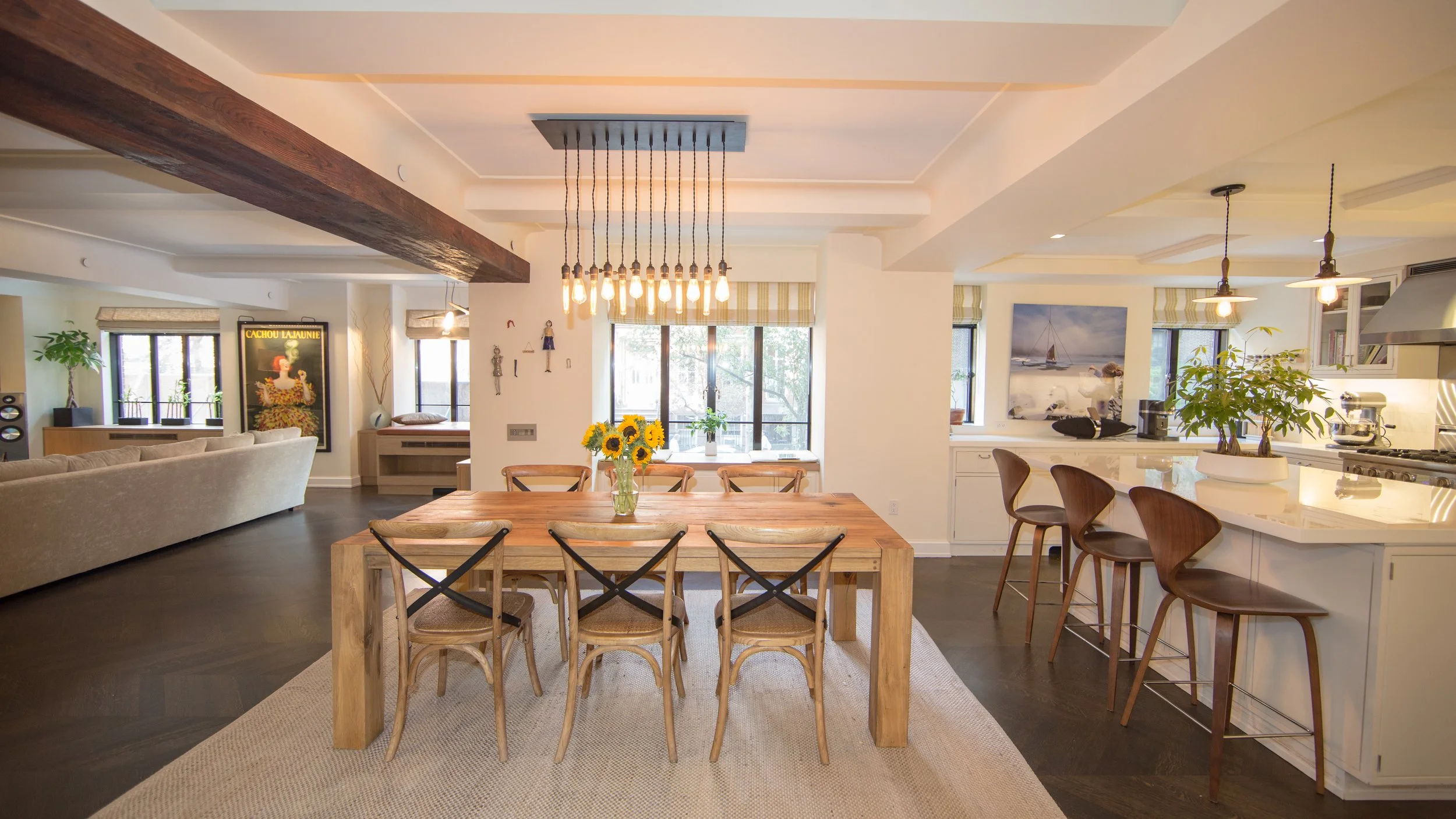
In the fast-paced world of 2026, our homes are more than just shelters—they are sanctuaries where we gather, connect, and recharge. At Marie Burgos Design, we approach entertaining spaces as carefully curated environments, where design principles—not decoration—support how people actually interact.
The summer solstice reminds us of something essential: how you design a space determines how people move through it—and how long they choose to stay.

1. THE COMMANDING POSITION: SEATING THAT ANCHORS
One of Feng Shui's core tenets is the "Commanding Position." Applied to entertaining spaces, this means your primary seating—whether a sofa or dining table—should be positioned where people naturally feel grounded and connected.
The Design Application:
Your main seating should have a clear sightline to the room's entrance
Sofas should anchor a space, not float aimlessly
Dining tables should be positioned to facilitate conversation, not isolate
The Result: Guests instinctively feel comfortable. There's no subconscious anxiety about who might enter, no sense of being backed into a corner. People linger because the space itself invites presence.
In client projects like our Tribeca penthouses and West Village residences, we position modular seating to create natural gathering zones without blocking sightlines. This simple principle transforms a room from functional to inviting.
2. LAYERED LIGHTING: MULTIPLE SOURCES, ONE INTENTION
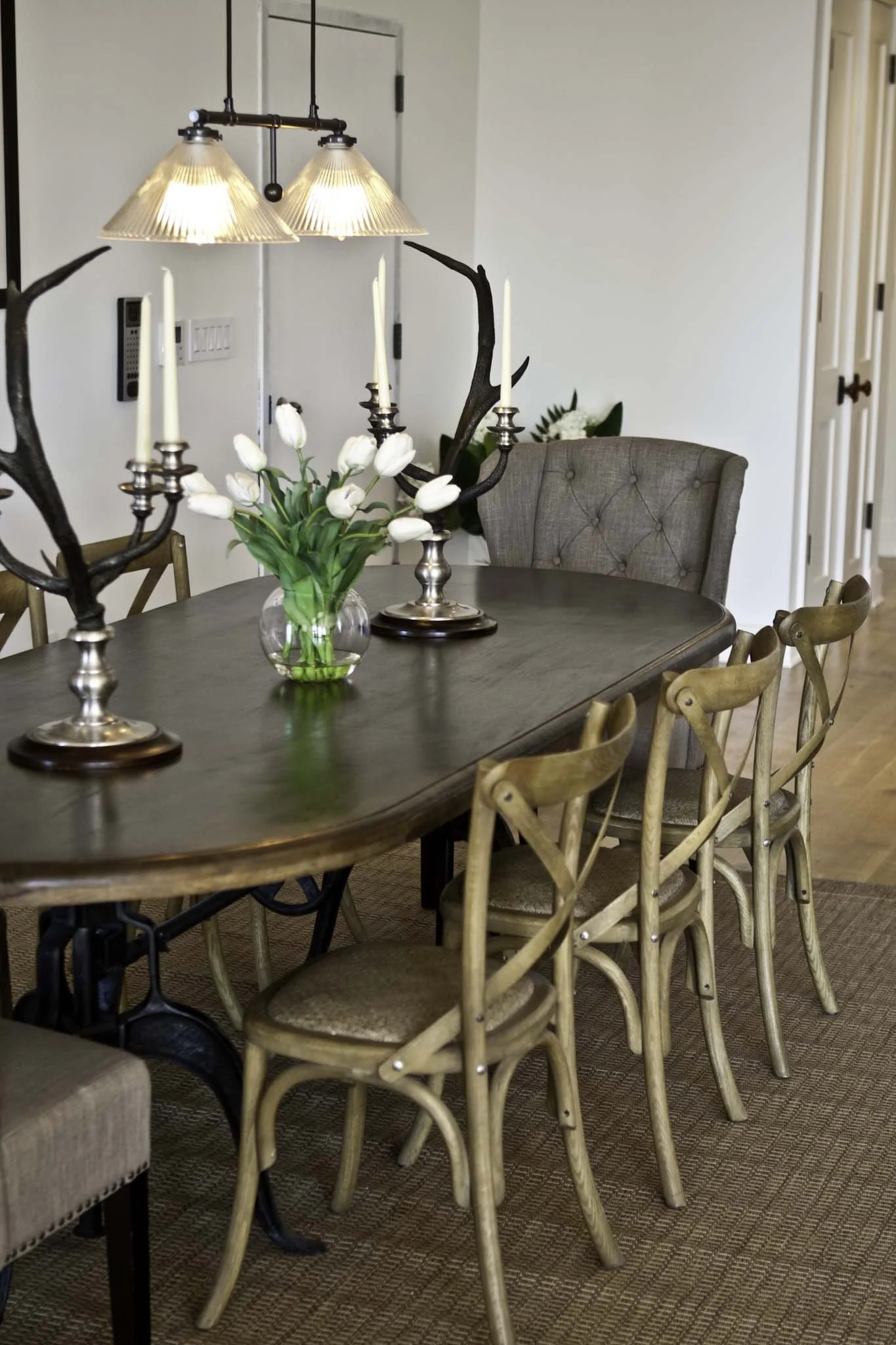
A single overhead fixture creates harsh, unidirectional light. A balanced entertaining space requires layered illumination.
The Design Application:
Layer 1: Ambient — A sculptural chandelier or recessed lighting on dimmers that provides soft, general glow. This is your foundation.
Layer 2: Task — Targeted light where people actually need it. Above dining surfaces, in seating areas, near bars or preparation zones.
Layer 3: Accent — Candlelight, wall sconces, or statement pendants that create visual interest and draw attention to focal points.
The Result: A room that feels warm, dynamic, and intentional at every hour—morning through evening. The layering also allows you to adjust mood throughout the event.
3. THE FIVE ELEMENTS: MATERIAL BALANCE
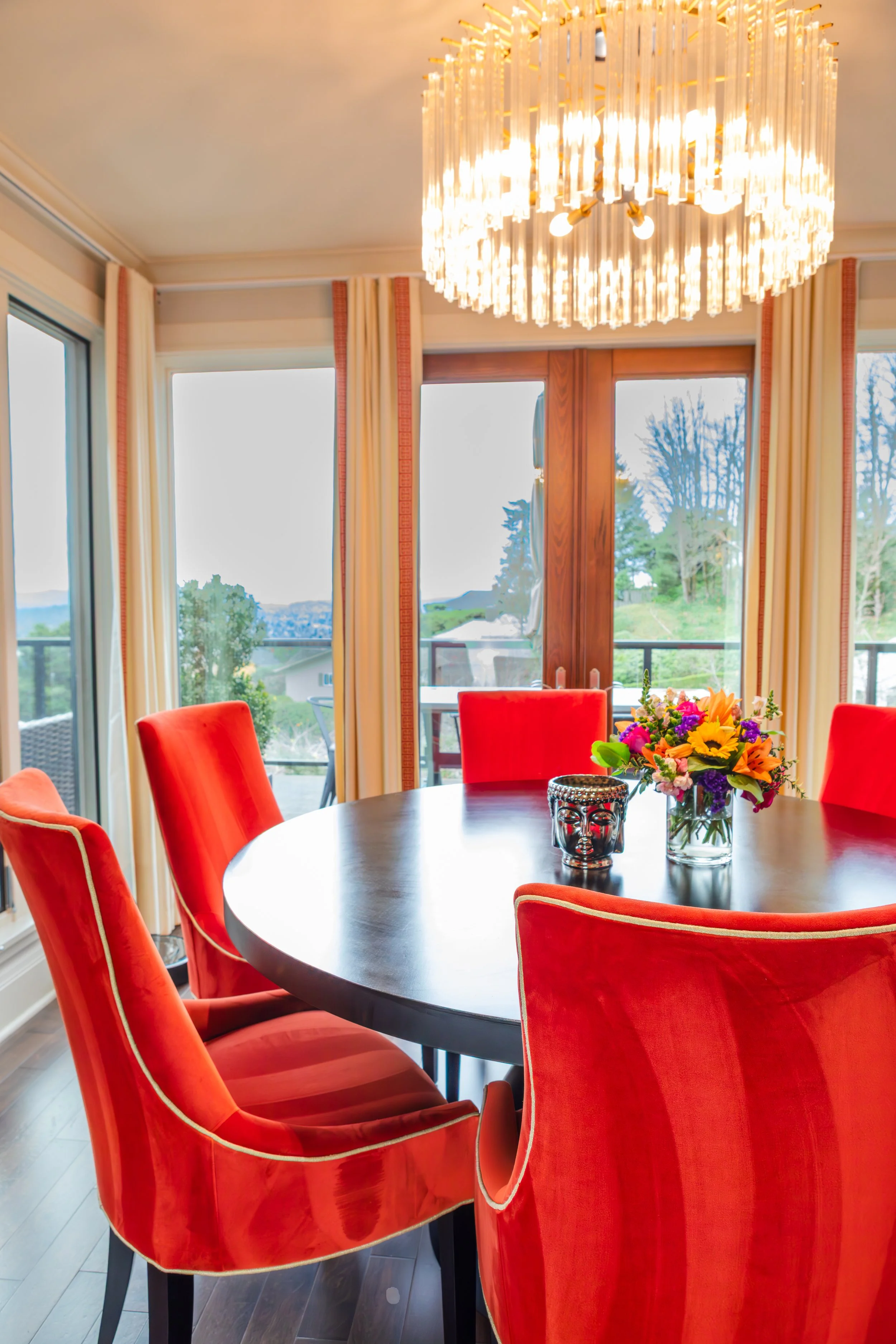
Feng Shui operates on five elements: Wood, Fire, Earth, Metal, and Water. A balanced representation creates an environment that feels simultaneously warm and refined.
The Design Application:
Wood: Organic furniture, natural textures, plants
Fire: Warmth through lighting, vibrant accents, textured finishes
Earth: Natural stone, grounded tones, tactile textiles
Metal: Polished finishes, sculptural fixtures, brass or bronze details
Water: Reflective surfaces, flowing lines, cool color accents
The Result: No single element dominates. The space feels intentional and balanced, supporting conversation and ease rather than overwhelming the senses.
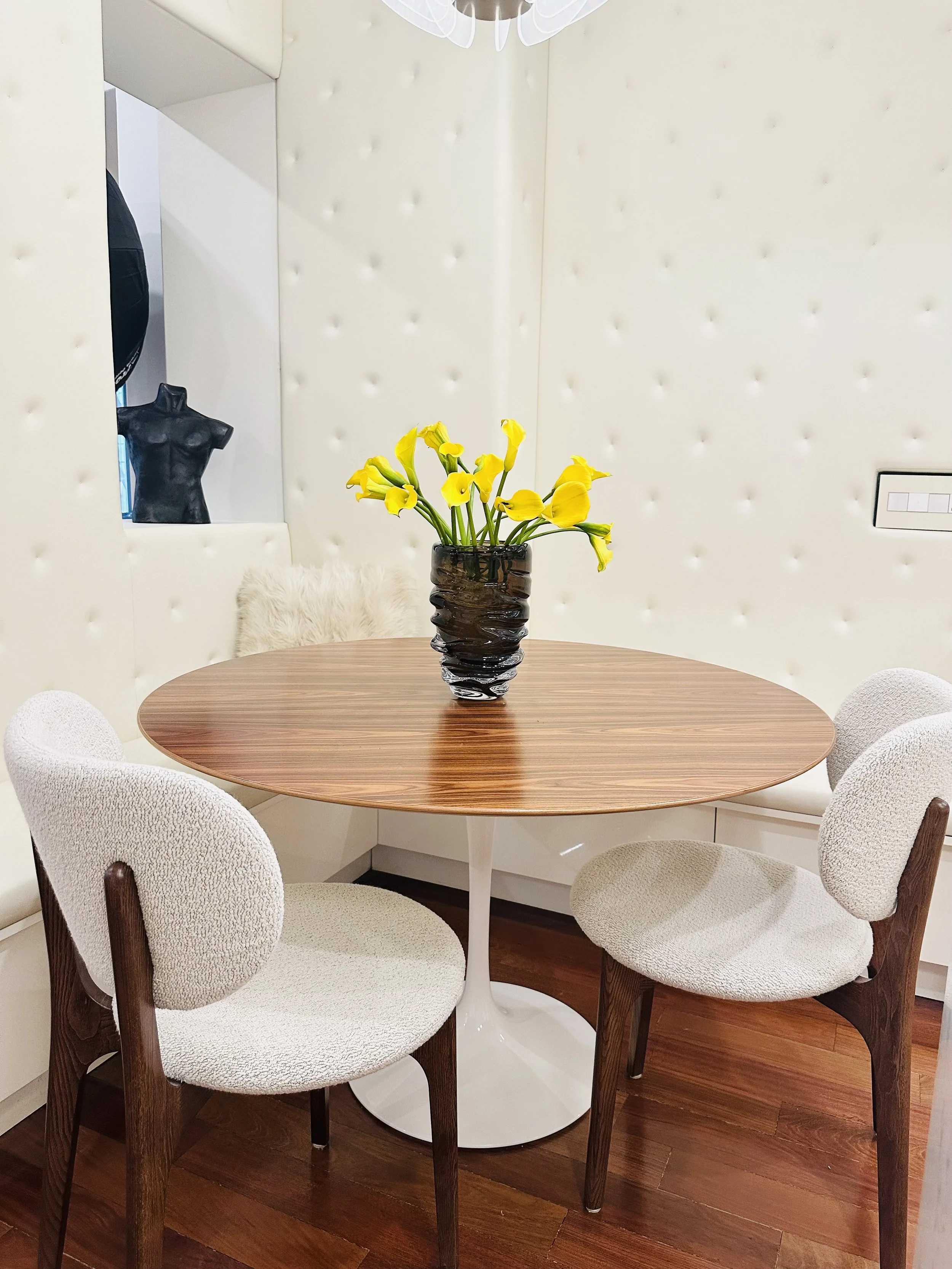
Dining room - manhattan Pied a terre-Marie Burgos Design
4. SPATIAL FLOW: HOW PEOPLE ACTUALLY MOVE
A well-designed entertaining space has clear pathways and intuitive movement patterns.
The Design Application:
Define traffic patterns that don't interrupt conversation zones
Ensure seating clusters are accessible without requiring guests to step over furniture
Position bars, service areas, and refreshment stations where they naturally draw people
Use furniture scale and arrangement to guide movement toward focal points
The Result: Guests move through the space with ease. There's no awkwardness. The room's architecture becomes invisible because it works so well.

Dining room Demarest NJ Modern family residence - Marie Burgos Design
5. COLOR STRATEGY: SUPPORTING THE GATHERING
Color is not decoration. It's a tool that sets the emotional tone and supports the function of a space.
The Design Application:
For entertaining spaces, use grounded, sophisticated tones that don't compete for attention
Deep jewel tones (navy, emerald, sapphire) create intimacy
Warm earth tones (bronze, taupe, warm cream) encourage relaxation and connection
Use metallics (brass, gold, bronze) to add richness without visual noise
The Result: A color palette that supports conversation and presence rather than distraction.
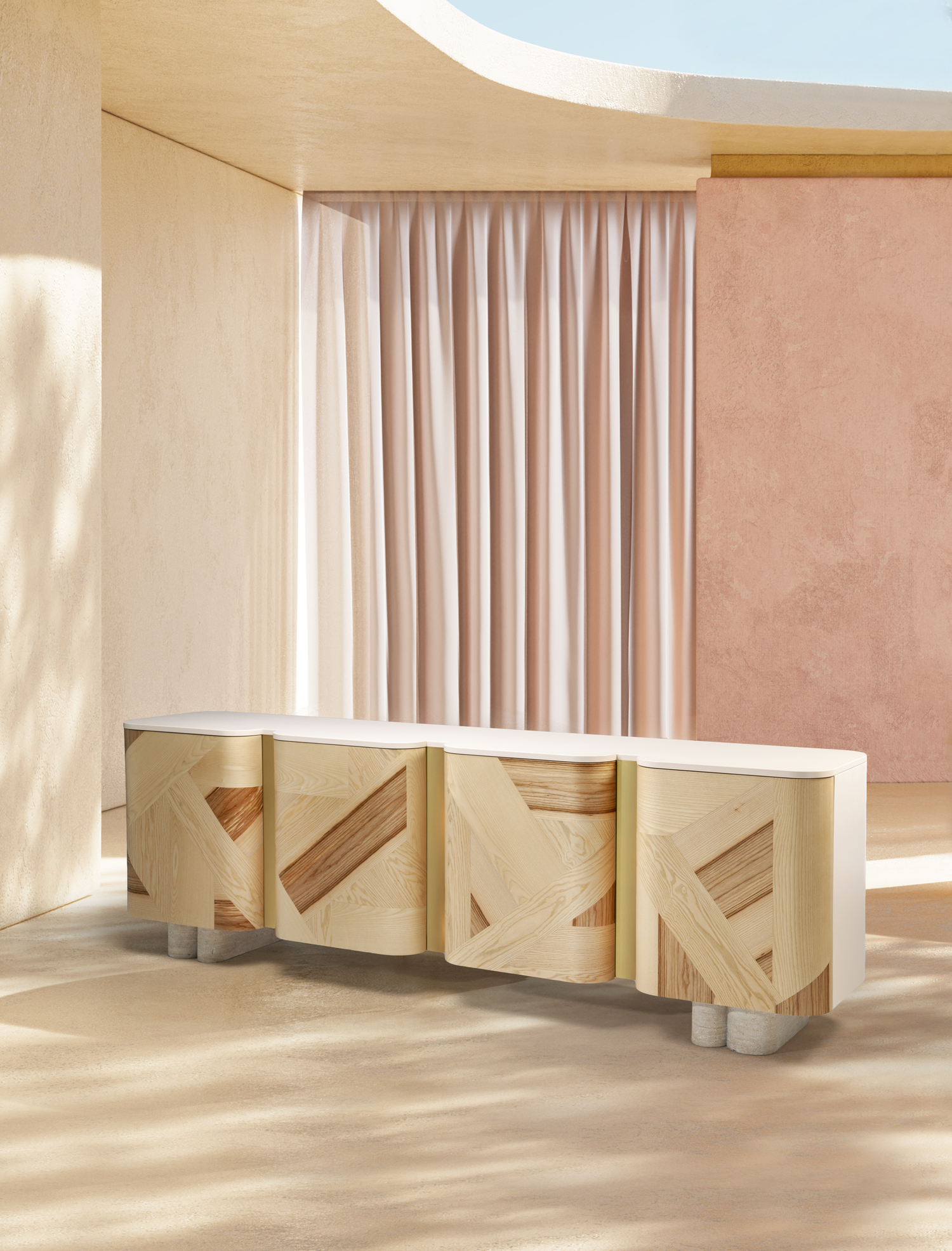
6. DECLUTTER FOR CLARITY
Clutter impedes energy flow and creates mental noise. In entertaining spaces, this is particularly important.
The Design Application:
Design custom storage that hides daily items while remaining accessible
Keep surfaces minimal and intentional
Use furniture with integrated storage (ottomans, sideboards, console tables)
Create designated zones for entertaining versus living
The Result: Guests focus on connection, not clutter. The space feels curated, not chaotic.
THE SOLSTICE PRINCIPLE: DESIGN FOR PRESENCE
When we design a gathering space, we're answering a fundamental question: How do I create an environment where people want to be?
The summer solstice teaches us that presence requires intentionality. The longest day isn't just about the sun's arc—it's about how we choose to spend the light we're given.
A well-designed entertaining space does the same. It supports lingering. It invites conversation. It makes people feel, without knowing why, that they belong here.
This is where design philosophy meets daily life. Every material choice, every lighting layer, every spatial decision serves one purpose: creating a sanctuary for gathering.
Marie Burgos Design